

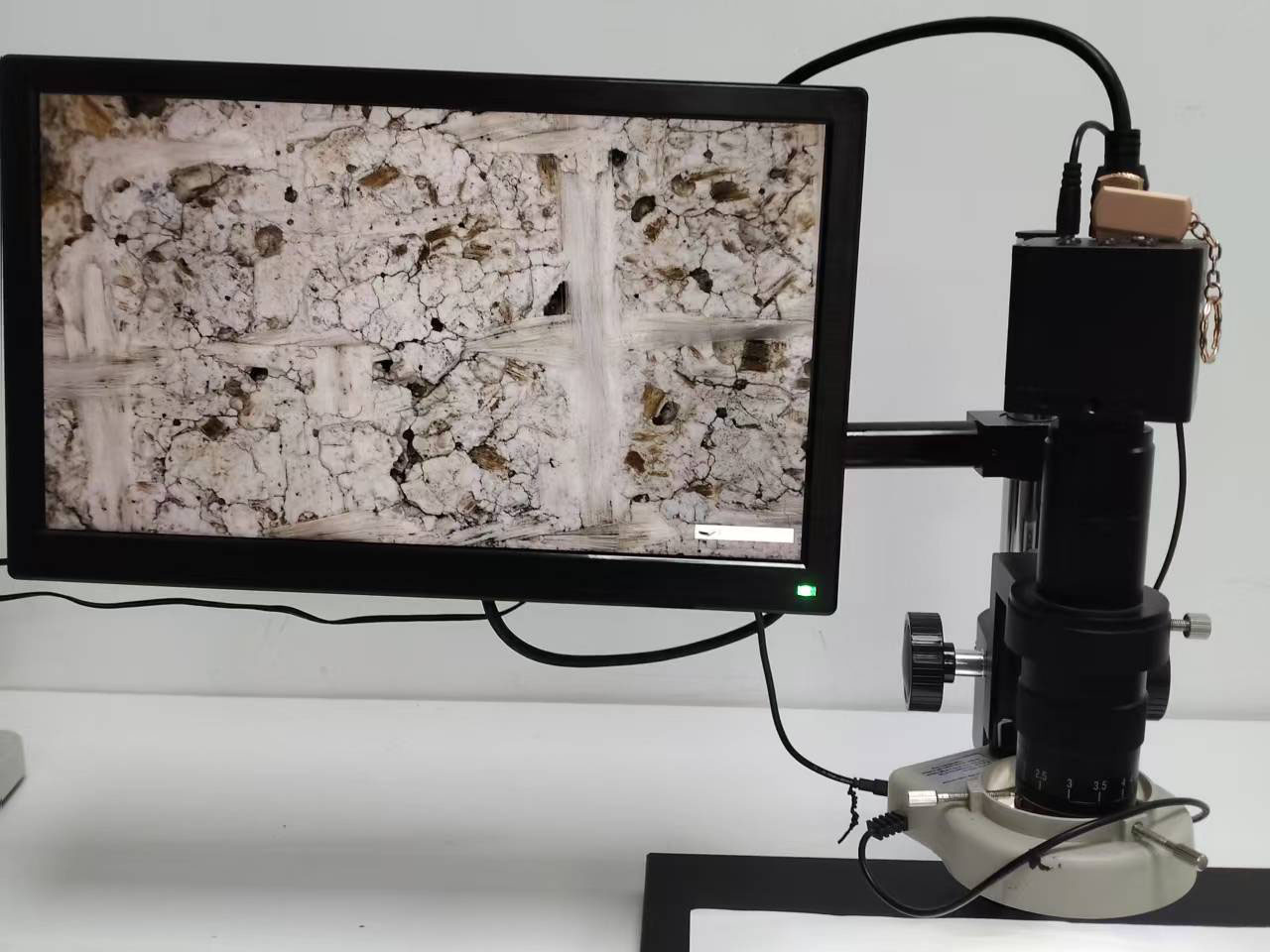

A Guide to Microscope Magnification: Optical, Digital, and Total
Understanding magnification is crucial for selecting the right microscope for your needs. Whether you’re in life sciences, materials research, or quality control, knowing the difference between optical, digital, and total magnification ensures you get accurate and clear results. This guide will explain each type and show you how to calculate the total magnification of a microscope system.
The Three Types of Microscope Magnification
Microscope magnification isn’t a single number. It’s a combination of two distinct processes: Optical Magnification and Digital Magnification. Together, they create the final Total Magnification you see on your screen or through the eyepiece.
1. Optical Magnification
Optical magnification is the fundamental magnification power created by the microscope’s lenses—the objective lens and the eyepiece lens. It relies on the physical properties of light and glass to bend light rays and enlarge a real, high-resolution image.
How it Works: The objective lens, positioned close to the specimen, produces a primary magnified image inside the microscope tube. The eyepiece lens then further magnifies this primary image for your eye.
Key Feature: Optical magnification does not compromise image quality or resolution. It is the most important factor for achieving a clear, detailed image.
How to Calculate Optical Magnification
For a traditional microscope with an eyepiece, the optical magnification is simple:
Optical Magnification = Objective Lens Magnification × Eyepiece Lens Magnification
Example: If you are using a 40x objective lens and a 10x eyepiece, your optical magnification is 40 × 10 = 400x.
2. Digital Magnification
Digital magnification is an electronic process used in digital or USB microscopes that have a camera sensor instead of an eyepiece. It enlarges the image captured by the sensor by cropping and scaling it on a digital display, like a computer monitor.
How it Works: The camera sensor captures the optically magnified image. Software then interpolates the pixels to make the image appear larger on the screen.
Key Consideration: Unlike optical magnification, digital magnification does not increase the level of detail. Over-magnifying digitally will result in a pixelated, lower-quality image. The true resolution is limited by the optical magnification and the camera’s sensor.
How to Calculate Digital Magnification
Digital magnification depends on the screen size and is calculated relative to the image size on the camera sensor.
Digital Magnification = Monitor Diagonal Size / Camera Sensor Diagonal Size
Example: If your camera has a 1/2″ sensor (diagonal approx. 8mm) and you display the image on a 24-inch monitor (diagonal approx. 610mm), your digital magnification is 610mm / 8mm = ~76x.
3. Total Magnification
Total magnification is the final, overall magnification of the specimen as you see it. For digital microscopy systems, it is the product of the optical magnification and the digital magnification.
This number tells you how much larger the specimen appears on your screen compared to its actual size.
The Total Magnification Formula
Total Magnification = Optical Magnification × Digital Magnification
Let’s put it all together in a complete example:
Optical Component: You are using a 20x objective lens. The microscope’s built-in optics project this image onto a 0.5x C-mount adapter for the camera. So, the optical magnification reaching the camera sensor is 20 × 0.5 = 10x.
Digital Component: The image is captured by a camera with a 1/2.5″ sensor (diagonal approx. 7mm) and displayed on a 27-inch monitor (diagonal 685mm). The digital magnification is 685mm / 7mm = ~98x.
Total Calculation: Total Magnification = 10x (Optical) × 98x (Digital) = 980x.
This means the specimen appears 980 times larger on your screen than its real-life size.
Why Understanding Total Magnification Matters
Choosing a microscope based solely on a high “total magnification” number can be misleading. A system with high digital magnification but low optical magnification will produce a large but blurry image.
For the best image quality, prioritize high optical magnification. This ensures you are starting with a detailed, high-resolution base image. Digital magnification should then be used judiciously to view that high-quality image comfortably on your screen.
Key Takeaways
- Optical Magnification: The core, quality-defining magnification done by the lenses.
- Digital Magnification: The electronic enlargement of the image on your screen.
- Total Magnification: Optical Magnification × Digital Magnification.
- Pro Tip: A high optical magnification is more important than a high total magnification for achieving clear, detailed images.
 简体中文
简体中文  English